Blog
How we use AI to build entire businesses end-to-end. Tactics, case studies, prompt patterns, lessons from real launches.

Shopify product page video in 2026: the 20-second demo that lifts add-to-cart (and the polished brand reel that quietly drops conversion)
Every DTC brand that upgrades its Shopify theme in 2026 finds the same shiny hero slot at the top of the product page — big, autoplay, right where the second product photo used to sit — and nine times out of ten drops a two-minute brand anthem into it. Soft synth, a slow-motion pour, a smiling founder, three product beauty shots, a tagline card, a logo lockup. It looks like a Series A pitch reel and it quietly costs the brand add-to-carts, because it answers a question the shopper standing on that page never asked. The one number the PDP video actually moves (add-to-cart rate on that specific page, currently sitting at 4-7% on most DTC catalogues, movable to 7-12% with a well-tuned 20-second demo), the three demo shapes that lift it — the product-in-hand-with-scale demo for anything a photo can't communicate for size, the before-and-after quick-fix demo for anything sold on a visible outcome, and the first-30-seconds-of-use demo for anything with a "will I actually use it" doubt — plus the polished brand reel that quietly drops conversion (three specific failures: no product in the first three seconds, visual grammar the shopper reads as an ad, runtime three times the shopper's attention budget), where the video actually belongs on the PDP (second slot in the image carousel, autoplay muted with loop on, first frame legible as a still, tested on a real mid-range Android), the two-tier per-SKU + per-collection rhythm that fits a solo DTC operator's bandwidth, where AI collapsed the £600-per-SKU shoot economics that used to keep PDP video the preserve of funded brands, and the one metric that steers it (add-to-cart on the specific page, rolling 30-day, held against traffic mix).

Short-term rental listing videos in 2026: the three clips that lift a host's booking rate (and the drone tour that farms saves but not stays)
Almost every host who takes their short-term rental seriously eventually pays for a video, and almost all of them commission the same thing — a ninety-second cinematic reel of the property empty and immaculate, opened by a drone sweep of the roofline, closed by a couple on the deck at golden hour. It collects saves on Instagram, wins compliments from the videographer's peers, and quietly books almost nothing, because the searcher on the other side of the screen at 9pm on a Sunday isn't asking to be impressed — they're asking one small question: will we feel right in this house. The three clips that actually convert a scrolling searcher into a paid stay in 2026 — the arrival walkthrough that walks the exact path a guest takes at the door (light switches, coffee, best bedroom, wifi, the one thing that isn't obvious from the photos), the quiet-Sunday-morning clip that sells the ordinary moment guests are actually going to have (real ambient sound, no cinematic music, no people to imagine themselves replacing), and the one-honest-caveat clip that names who this isn't for and self-qualifies every booking that lands after it — plus the drone-reel trap that answers the wrong question, where each clip belongs (Airbnb slot, Google Business Profile, Reels), the once-per-season batch that stays fresh without turning the host into a content creator, where AI collapsed the £900-per-shoot economics that used to keep listing videos stale for years, and the one metric that steers it (unique listing views to booked nights, rolling 30-day, not IG saves).
Landing page hero video in 2026: the 30-second product demo that converts a cold visitor (and the polished brand anthem that quietly kills the signup rate)
Every founder who ships a new landing page in 2026 hits the same fork in the road — the design template ships with a hero video slot, big and cinematic and above the fold, and the only decision left is what to put in it. Ninety per cent of the time the video that eventually lands there is a polished brand anthem: soft synth music, a slow-motion drone shot, a smiling team, three abstract product screens fading into each other, a tagline card, a logo. It looks like a Series A pitch reel and it converts almost nobody, because it does not answer the one question the cold visitor came here to answer. The one number the hero video actually moves (page-level signup rate, currently sitting at 1.5-3% on most small-team pages, movable to 4-8% with a well-tuned 30-second demo), the four-element structure that lands cold — the visitor's specific problem named on-screen in the first three seconds, a concrete before-and-after demonstrated in real product footage rather than described, legibility with the sound off because ninety per cent of hero plays are muted, and a CTA line that lives inside the video pointing at the real signup button — plus the polished brand-anthem trap that answers questions the visitor never asked, the thirty-second script end to end, where the hero sits in the wider funnel, where AI collapsed the fortnight-per-hero cost that made most small teams leave the video slot empty for years, and the one metric that steers it (signup rate on the same page across a rolling two-week window, holding traffic constant).

YouTube channel trailer in 2026: the 90-second welcome video that converts strangers to subscribers (and the polished about-us reel that gets skipped)
Almost every channel that hits its first algorithmic bump discovers something quietly humbling — the surge of new visitors that finally landed on the channel page mostly did not subscribe. Ninety per cent of the time the reason is the channel trailer: the sixty-to-ninety-second auto-play welcome video that sits at the top of the channel page, plays without a click for any signed-out visitor, and decides in five seconds whether the stranger who just arrived belongs here. Most channels either have no trailer, a two-year-old one they've forgotten about, or a polished about-us reel that looks impressive and converts nobody. The one number the trailer moves (channel-page subscribe rate, currently sitting at 1-3% on most channels, movable to 5-12% with a well-tuned trailer), the four-element structure that lands cold — a specific stranger named in the first five seconds, one concrete promise not a menu, a real proof clip from a real video, and a named cadence with a forward subscribe reason — plus the polished about-us reel trap that ignores the visitor's only real question, the ninety-second script end to end, where the trailer sits in the wider channel system, and where AI collapsed the day-per-trailer cost that made most channels leave the trailer slot empty for years.
YouTube thumbnails in 2026: the four elements that still earn the click on a small channel (and the polished agency thumbnail that quietly buries it)
Somewhere around 2023 the YouTube-thumbnail conversation quietly turned into an arms race — biggest channels hiring illustrators, running twelve A/B variants, posting breathless case studies on two-point CTR lifts. Small channels watched, panicked, and started paying $60 a thumbnail on Fiverr hoping to buy their way into the same reference class. Then the high-polish thumbnails those small channels bought started to under-perform, reliably enough that a whole cohort of tiny channels watched a smartphone-shot thumbnail out-click the professionally-produced one on the exact same video. The four elements every browse-feed thumbnail that reliably earns the click on a small channel shares — one clear subject taking up 40-60% of the frame, three or fewer words that carry emotional charge rather than clarifying the title, a face or a body with implied motion (the honest-reaction thumbnail out-clicks the over-emoted MrBeast-descendant), and legibility at the 168px phone size that most agency-designed thumbnails silently fail — plus the polished agency thumbnail trap (a designer optimising for a big-channel portfolio brief produces the wrong output for a small-channel browse feed), the two-variant discipline that fits inside a weekly upload schedule (change one lever, not all four), where AI actually helps (compressing the per-variant cost, not the design decision), and the one metric that steers it (CTR against your own rolling median, always alongside watch-through, never against someone else's screenshot).

Pinterest video pins in 2026: the three formats that still drive traffic to a small site (and the aesthetic still image that gets buried)
For fifteen years Pinterest was the platform where a single beautifully composed still image could quietly send a small blog or Etsy shop a river of visitors it never had to pay for — then, quarter by quarter, the feed changed shape, and the still images that used to rise now sink. Every creator who ignored the shift is watching their impressions on last year's pretty rectangles fall off a cliff and concluding "Pinterest doesn't work anymore," when the truth is Pinterest works fine — it just moved. What Pinterest is actually judged on now (outbound clicks per thousand impressions, not saves and not impressions), the three video-pin formats that reliably fill the slots the still image used to own — the fifteen-second transformation reveal, the tight one-idea explainer, and the animated numbered list — plus what quietly stopped working (the perfect flat lay, the huge dense infographic, and the repurposed Instagram carousel dropped in unedited), where the video pin actually fits in a funnel that lives on your blog or shop, the one-afternoon-a-week batch system that produces ten to thirty pins a month without collapsing quality, and where AI collapsed the per-pin cost that used to keep video off small accounts entirely.

Freelance marketplace video in 2026: the profile clip that wins Upwork and Fiverr projects (and the polished agency showreel that clients scroll past)
The average buyer on Upwork or Fiverr shortlists a freelancer in about ten seconds — glance at the star rating, glance at the description top, scroll the portfolio, decide whether to keep reading or move on. A static profile is competing against dozens of near-identical sellers, so the shortlist decision comes down to the one thing a buyer can't fake by reading the description: sixty seconds of the freelancer themselves, in their own voice, doing the specific thing they're being hired for. The four-part sixty-second structure that wins projects — a one-line specialty in the first ten seconds, thirty seconds of the work being done on camera, twelve seconds naming an honest constraint (what you're NOT for), and one clean line of process — plus why the polished agency showreel converts lower than no video at all (removes the fit signal a marketplace buyer is trying to read, invokes an agency reference class the solo shopper isn't playing), how the sixty-second version cascades into three downstream cuts a serious pipeline needs, and the one metric that steers it (inbound messages per hundred profile views, not proposal-to-hire rate).

B2B cold outreach video in 2026: the 45-second personalised loom that quadruples reply rates (and the templated intro reel that gets marked as spam)
Every B2B sales playbook still tells you to attach a "quick intro video" to your cold outreach — a smiling head-and-shoulders shot, thirty seconds of company overview, the tagline, three logos, an ask for fifteen minutes. It looks competent. Recipients now archive it in the first second because they've learned the shape, and every future email from you gets sorted faster the next time. Meanwhile a small handful of sellers are quietly booking calls from a different kind of video: forty-five seconds, obviously made for one person, saying something the recipient has never heard before about their own situation. The four-beat structure that opens replies in 2026 — the recipient's name plus one specific detail in the first seven seconds, one observation with teeth from real research, a single sentence of relevance framed against that observation, and a soft ask that costs a busy person nothing to say yes to — plus why "personalised" is misused to mean mail-merge with a chyron, where the video actually belongs in the sequence (touch two, after a plain-text first), the cadence that keeps personalisation intact (15-20 a week, not 100), and the one metric that steers it (reply rate per hundred sent, not open rate, not the vanity "watched to end" number the tool flatters you with).

Recipe videos in 2026: the structure that holds a food viewer to the final plate (and the cinematic b-roll that quietly kills reach)
Food is the most-watched category on every platform, which makes it look like an easy win — until a beautifully shot recipe dies at three hundred views. The reflex is to blame the lighting or the algorithm, but the real problem is almost always the same: the video is built like a film when it needs to be built like a promise. A scrolling stranger doesn't watch a recipe to admire it; they watch to answer one question — can I make that, and is it worth it? — and they answer "do I want that?" in two seconds and "could I make that?" in three more, so if the video hasn't shown the finished plate yet there is nothing to say yes to. What a food viewer actually decides in the first five seconds, the payoff-first structure that holds them to the plate (the reward up front, the one reason it's worth it, a fast legible build, then the payoff again to close the loop), the three shapes it hangs on — the craving recipe that lives on the opening frame, the one-technique video that earns saves and authority, and the constraint recipe that manufactures shares — plus the cinematic b-roll trap that kills reach (a moody pan with no payoff and no promise, so the cold viewer leaves before the cooking starts), the batch system that turns one cooking session into a week of videos, the metrics that steer it (watch-through and saves, not views), and where AI collapsed the editing cost that made a food channel a choice between cooking and the timeline.

BookTok in 2026: the three video formats that actually sell books (and the cover-reveal spam BookTok scrolls past)
BookTok is the closest thing publishing has to a working discovery engine — a corner of TikTok where one clip can put an unknown title on bestseller tables and keep a backlist novel selling years after release. Which is why every author eventually shows up, posts a cover reveal and a "my book is out now" announcement, gets four hundred views from people who already follow them, and concludes BookTok "doesn't work." It works fine — it just doesn't run on news, it runs on the feeling a book gives a reader, and the purchase is downstream of the emotion. What a BookTok video is actually judged on (a hook that stops the thumb, then the save and send that turn into copies, not the view count), the three formats that move books — the trope promise that matches a reader to the exact experience they crave, the reaction that proves the book delivers without spoiling it, and the premise hook that reaches the coldest stranger with one irresistible line — plus the cover-reveal spam the feed scrolls past (an announcement lands only with people who already care, so it reaches your followers, earns no saves, and moves no strangers), the batch system that mines one book for dozens of clips off two sessions a week, the one metric that steers it (saves and sends, not views), and where AI collapsed the editing cost that made promotion a choice between marketing the last book and writing the next one.

Faceless finance YouTube in 2026: the three video formats that earn the niche's high RPM (and the advice trap that gets a channel demonetized)
Finance is the niche every faceless creator eventually hears about, because the number is real: advertisers pay more to reach people thinking about money than almost any other audience, so a finance channel can earn several times the RPM of a gaming or entertainment channel on the same views. That's the draw. The catch nobody mentions is the other half — finance is "Your Money or Your Life" content, the category YouTube and Google scrutinise hardest, which means the same channel that could earn the highest ad rates is the one most likely to be quietly suppressed or demonetized if it drifts into giving advice it isn't allowed to give. The whole game is a single line: education pays, advice punishes. The three formats that sit safely on the education side — the evergreen explainer that compounds a library (how compound interest works, what an index fund is), the context breakdown that rides real financial-news spikes by explaining what it means rather than what to do, and the money story that makes a dry principle stick to a human arc — plus the advice trap that ends channels (specific buy/sell calls and get-rich framing that strip the ads, cap the reach, and edge toward regulated advice), the batch system that keeps a channel fed off two focused sessions a week, the one metric that steers it (RPM alongside watch-through, not raw views), and where AI collapsed the per-video cost that kept the highest-RPM niche the preserve of funded teams.
Podcast video clips in 2026: the three clip formats that actually grow a show (and the full-episode dump that kills the feed)
Nobody discovers a podcast by browsing a directory of episode titles — directories are search tools for shows people already know the name of. Discovery, the part where a total stranger becomes a subscriber, happens on the vertical feeds of TikTok, Reels, and Shorts, where a short clip introduces you, proves you're worth an hour, and points at the full episode. That inverts the old order: the clip is now the front door and the episode is the room behind it. Which is why the reflex answer — run each episode through an auto-clipper and post whatever falls out — quietly holds shows back: the tool gives you twelve sixty-second rectangles, but it can't decide which sixty seconds is worth a stranger's attention or frame it to land cold. What a clip is actually judged on in the first two seconds (hook, stand alone, resolve), the three formats that deliver all three — the one-idea clip that finishes a complete thought, the tension clip that carries real friction, and the story clip cut to keep its arc intact — plus the full-episode dump that kills the feed (fragments that start mid-sentence, resolve nowhere, and teach the algorithm to stop showing you to new people), the batch system that turns one recording into a week of clips off a single session, the one metric that steers it (watch-through and follows-per-clip, not raw views), and where AI collapsed the per-clip editing cost that pushed shows toward mindless auto-chopping in the first place.
Faceless Facebook Reels in 2026: the three page formats that still earn from content monetization (and the reposted-TikTok trap that kills reach)
Everyone chasing short-form money moved to TikTok and Instagram and quietly wrote Facebook off as the platform their parents use — which is exactly why it is worth a second look. Two facts sit under the reputation: Facebook's short-form feed is genuinely enormous, and the platform still pays creators directly through its consolidated content monetization program. Put them together and you get a rare situation — a huge, paying audience most serious short-form creators are actively ignoring because it isn't cool. The catch is that Facebook is specific about what it pays for: original content made natively for its feed, not clips exported from somewhere else. The three faceless formats that still earn — the niche saver built to be saved and shared, the story page that travels on Facebook's uniquely emotional re-sharing, and the how-it-works page that explains one thing per Reel — plus the reposted-TikTok trap that kills reach before you start (the rival-app watermark every algorithm is trained to catch, suppressed on sight and ineligible for payouts), the batch system that keeps a page fed off two focused sessions a week, the one metric that steers it (shares and saves, not raw views), and where AI collapsed the per-clip cost that pushed everyone toward recycled content in the first place.
Dropshipping video ads in 2026: the three creative angles that still convert cold traffic (and the supplier montage that gets your account flagged)
The era of pointing a product at a ring light, cutting it to a trending sound, and watching cheap sales roll in is over — killed by two things at once: saturation (the same winning product cloned across dozens of stores running near-identical supplier footage) and ad platforms that got much better at recognising low-effort, duplicated creative and quietly throttling it. The uncomfortable truth underneath both is the same: the product is not your moat — anyone can source the identical item by tomorrow — so the creative is the only thing you actually own. What a cold viewer is really deciding in the first two seconds (keep watching or flick the thumb, not your product versus a competitor's), the three angles that still convert — the problem-first demo that opens on the frustration not the object, the native review that works by not looking like an ad, and the wow demonstration where the hook is the demo itself — plus the recycled supplier montage that gets your account flagged (duplicate-content detection, rising CPMs, manual review that pauses spend at the worst moment), the test cadence that finds a winner (test angles before details, judge on hook rate, kill fast, refresh before fatigue), and where the economics finally changed so original creative is cheaper than the flagged alternative.

Shorts vs long-form in 2026: which format actually builds an audience you can sell to (and the cross-posting trap that grows the numbers but not the revenue)
"Should I do Shorts or long-form?" is the wrong question, and it's the reason so many creators spend a year building the wrong thing. It treats two formats as rivals fighting over the same slot in your week, when they do completely different jobs: short-form is the cheapest reach ever invented — shown to strangers, judged on the first two seconds, gone by dinner — while long-form is the only place trust accrues and offers actually convert, because nobody watches eight minutes of you by accident. Reach and revenue are not the same currency, and the exchange rate between them is where almost every creator quietly loses. The honest job each format does (short-form earns one specific next action, not a view count; long-form banks the watch-time that makes a viewer believe you), the three bridges that connect them — the teaser, the identity, the named destination — and the crossover rate nobody measures that tells you whether the doorway is open or leaking. Plus the cross-posting trap that feels like leverage and isn't: one clip blasted everywhere, views up, followers up, revenue dead flat, because distribution multiplies whatever you point it at and pure reach points at nothing. The four honest rules of thumb for which end to lead with depending on where you are, and the one-anchor-a-week system that fits both formats into a real solo schedule.

Selling digital planners in 2026: the demo-video loop that converts browsers into buyers (and the three template niches AI already flooded)
A digital planner is the closest thing to a perfect side-hustle product — you make it once and sell it forever, with no stock, no shipping, and no per-sale cost. Which is exactly why the marketplaces are drowning in them, and why a beautiful template with a still screenshot now sells almost nothing: a buyer scrolling a wall of near-identical thumbnails has no way to tell whether your weekly spread will fix their week or sit unopened like the last three they bought. The thing you're really selling isn't a PDF — it's the feeling of a calmer week, and a still image can't deliver that feeling. The demo-video loop that actually converts (the mess named in three seconds, a hand moving through the planner, a real week filling in, one honest setup truth), the three niches AI already flooded past saving — the generic dated daily, the everything-bundle mega-template, and the trend-chased aesthetic clone — plus where each cut goes (the listing demo, the discovery cut, the Pinterest workhorse), the pricing that holds when you sell the fixed problem instead of the page count, the one metric that steers it (listing conversion, not views), and where AI collapsed the day-per-video cost that kept the demos from ever getting made.

SaaS onboarding videos in 2026: the three activation moments a walkthrough should own (and the feature-tour that quietly raises churn)
Founders obsess over the renewal screen and the cancellation flow, because that's where lost revenue shows up in the dashboard — but by the time a user reaches "are you sure you want to cancel?", the decision was made weeks earlier, in the first session, when they signed in for the first time and the product failed to make itself obvious. They didn't rage-quit; they got a little confused, told themselves they'd come back later, closed the tab, and later never arrived. That silent first-session drop-off is the single largest leak in almost every early-stage SaaS, and the onboarding video is built to plug it — except almost everyone makes the wrong one. The feature tour that quietly raises churn (the walk through every menu and setting that overwhelms a user who has no shelf to put any of it on yet), versus the three activation walkthroughs that retain — first value in sixty seconds down the shortest path to a visible win, their real data crossing from your demo example to their own account, and the habit loop that gives them a reason to come back next week — plus the tight sub-ninety-second clip structure that names the outcome and walks one path with no detours, where each video actually belongs (the empty state, the setup step, the day-three email), the one metric that tells you it's working (activation rate and time-to-first-value, not views), and where AI collapses the day-per-video cost that keeps founders from ever building the system.

The Amazon Influencer Program in 2026: the on-page review video that earns at the point of decision (and the three product categories that never convert)
Almost every guide to earning from Amazon front-loads the impossible part — build an audience, drop a link, and pray a slice of it clicks through and buys inside the tracking window. The Amazon Influencer Program's onsite video feature inverts that entirely: once you're approved, your review clips can appear directly on the product detail page, in front of a shopper who is already reaching for their card. You're no longer persuading a stranger to care about a category; you're answering the single doubt of someone who has decided they probably want this and is looking for one reason to click buy — the warmest traffic in commerce, handed to you for free. The point-of-decision structure that converts (the doubt named in five seconds, the demonstration photos can't fake, the one honest caveat that builds more trust than thirty seconds of praise, the who-it's-for verdict), the three product categories where it never works no matter how good the video is — rock-bottom commodities, zero-differentiation items, and high-consideration electronics whose buyers decided off-platform and whose commissions are capped low — plus why coverage beats polish, the two metrics that actually matter (pages you have a live video on, and lifetime earnings per clip), and where AI collapses the editing bottleneck so an afternoon yields fifteen finished clips instead of three.

Scaling a stalled channel in 2026: the batch-week system that triples output without more hours (and the "just post more" advice that burns creators out)
Almost every channel that plateaus gets the diagnosis wrong. The creator decides they've run out of ideas, or that the algorithm turned on them — when what actually broke is quieter: the channel was running on raw motivation, motivation is finite, and nothing was ever built to take over when it dipped. In the exciting early weeks enthusiasm did the whole job, so no system was needed; that works right up until the first flat week, and then it doesn't. And the standard advice — post more, post daily, out-work everyone — makes it worse, because it multiplies the exact thing that empties the tank: the daily cold start, the blank page, the full film-and-edit scramble done fresh every time. The batch-week production system that replaces willpower with a machine — one repeatable format template so no video starts from nothing, one plan block so you decide a month at once instead of daily, one make block so you pay the setup cost once and produce the whole batch in a sitting, and one repurpose queue that harvests three or four shorts and a teaser from every anchor recording — plus the one metric (opening retention and new-follower rate, not total views) that steers the machine toward what actually holds attention, where AI collapsed the make-and-repurpose labour that used to make batching too heavy for one person, and the thirty-day install order that gets you publishing consistently without a single day of dread.

Brand deals for small channels in 2026: the three-part pitch that lands sponsors under 10k followers (and the media kit that gets ignored)
Almost every small creator believes sponsorship is a reward you unlock at some follower threshold, so they wait — grinding for reach while a channel a fraction of their size quietly closes four-figure deals. The waiting crowd missed the point: a brand isn't buying reach (it can buy that cheaper on any ad platform), it's buying trust inside a specific community it can't otherwise access, and a small, tight audience is often worth more per follower than a big diffuse one. The three-part pitch that actually lands deals under 10k followers — the audience match that names the brand's buyer instead of your size, the concrete campaign idea that does the brand's thinking for them, and the low-risk proof that makes yes the safe choice — plus why the polished media-kit PDF gets ignored (it describes you; the brand wants to know if you'll move a number without creating a headache), where to find the small brands whose founder still reads the inbox, what to actually charge when you're selling qualified access rather than raw views, and the usage-rights money creators give away without noticing.

Becoming a UGC creator in 2026: the three deliverables brands actually pay for (and the demo-reel mistake that gets you ghosted)
UGC is one of the few creator side-hustles where your own follower count barely matters — you're paid to make short, authentic-looking videos that brands run as ads, skipping the two-year audience-building runway entirely. That's exactly why the field filled up fast, and why most new creators pitch the wrong thing: they sell a pretty, cinematic clip when the brand is buying the absence of obvious craft wrapped around a message that still converts. The three deliverables brands actually pay for in 2026 — the hook pack (a testing menu of first-three-second openers), the problem–solution spot (the believable testimonial that reads as true, not as an ad), and the variation set (one winning concept re-cut a dozen ways before it fatigues) — plus the demo-reel mistake that gets you ghosted (the slick montage that answers a question the brand never asked), where AI changed the economics and where it didn't, and the four-rung rate ladder that climbs from a fifty-dollar one-off to a monthly creative retainer.

Paid communities in 2026: the onboarding week that decides who stays (and the ghost-town spiral that empties them by month two)
A paid membership is the best recurring asset a solo creator can own — it bills every month someone stays, it lives on infrastructure you rent rather than an algorithm you're at the mercy of, and it's the closest a solo creator gets to owning an asset instead of renting attention. It's also the easiest to kill by accident: almost every one that fails dies the same way, a burst of launch-day sign-ups, a quiet second month, and a ghost town by the third — a spiral where emptiness compounds exactly the way activity does, and the member count keeps flattering you because cancellations lag weeks behind the moment people stopped caring. The onboarding week that actually decides retention (first post, first reply, first win before day seven), the three loops that keep a room alive — a reliable weekly rhythm, member-to-member connection that doesn't depend on you, and visible progress that ties members' identity to the room — plus why the cheapest communities churn hardest, the free video-and-newsletter discovery layer that fills the room without cold-selling strangers, and the one metric (weekly active members) that catches the spiral before the churn does.
Faceless TikTok in 2026: the four content engines the algorithm still pushes (and the two formats it now throttles)
TikTok is still the one platform where a brand-new account with zero followers can land on a hundred thousand feeds by Friday — no face, no reveal, no personality required — because the For You page tests each video on a small audience and widens the circle based on how they respond, not on who posted it. What changed is the floor: the shortcuts that used to fake faceless growth (grabbing a viral clip, stapling a trending sound over stock images) have been quietly throttled, and most struggling accounts are still running them and blaming the algorithm. The four content engines the For You page still rewards — the micro-explainer, the list or ranking, the narrated story, and the ambient loop — plus the two formats now actively suppressed (reposted clips with no transformation, and slideshow spam over trending audio) that drag down the reach of everything else on the account, the three-second retention rule underneath all of it, and the niche discipline that beats posting three times a day.

Growing a newsletter with video in 2026: the three discovery loops that add subscribers who open (and the lead-magnet that fills your list with dead emails)
Almost every newsletter growth guide ends in the same place — make a free PDF, gate it behind an email, run traffic at it — and it works in the narrow sense that the subscriber number climbs, right up until six months later the list is twelve thousand strong and the open rate is nine percent, because most of those addresses came from people who wanted the download and never wanted you. A list is only worth what its readers open, and the surest way to break it is to grow faster than the attention behind it. The three video loops that add people who actually open — the teaser-to-issue loop that turns every issue into a real sample of the product, the answer-in-public loop that captures searching practitioners instead of freebie collectors, and the back-catalogue loop that makes your archive keep recruiting for free — plus the dead-email lead-magnet that drags your whole sender reputation down while the counter keeps flattering you, and the one metric (engaged subscribers per week) that stops the vanity number from fooling you.

Speaker demo reels in 2026: the two-minute structure that books paid keynotes (and the highlight compilation of applause that gets ignored)
Every emerging speaker knows they need "a reel", and nearly all of them ship the same thing: a two-and-a-half-minute montage of stage lighting, laughing audiences, standing ovations, and quick-cut soundbites of theatrical moments set to a driving music track — it looks like a movie trailer for a speaker and it books almost no paid work. The reason isn't quality; it's fit. A booker isn't sitting down to be entertained but to decide whether to risk a fee on someone they've never seen, and that decision needs a completely different reel. The two-minute structure that actually gets you shortlisted in 2026 — thirty seconds of positioning promise, sixty seconds of one continuous demonstration you can hold uninterrupted, thirty seconds of tight credibility close — plus why the applause compilation reads as "this speaker doesn't yet have a signature argument", where the reel actually needs to live (website above the fold, LinkedIn pinned post, YouTube with a longer edit), and the inbound-enquiry metric that decides whether it's pulling its weight.
Personal-brand video for the salaried professional in 2026: the four patterns that turn a reputation into a second income (and the polished thought-leadership post that reads as trying too hard)
A senior engineer, an accountant with fifteen years in the room, a mid-career product manager sitting on a body of expertise that would earn them a second income if the right people knew they had it — the standard advice is to post on LinkedIn, share your insights, build your personal brand, and nearly every one of them tries it, gets tepid engagement, and quietly stops. The advice isn't wrong; it's aimed at a format that used to work and doesn't anymore. The four short-form video patterns that actually convert expertise into inbound consulting work in 2026 — the "here's what I did today" first-person work POV, the meeting-room misconception correction, the overlooked-tool walkthrough, and the ten-years-in retrospective — plus the polished thought-leadership carousel that reads as trying too hard, why the day job's IP boundaries are smaller than most people assume, and the funnel metric that decides whether the whole thing is actually pulling in money.

Coaching videos in 2026: the three formats that turn viewers into paid clients (and the credibility reel that gets scrolled past)
Nearly every coach and consultant now has a "content strategy" and almost none of it books calls. Walk any feed and you'll see the same shape — a smiling professional, five confident mindset tips, a call to "DM me to work together" — and it converts to almost nothing because it now signals a category before it signals a specific person. Meanwhile a small handful of coaches are quietly filling their calendars from three specific video formats that answer a prospect's actual worry, let them watch the coach work, or show them the room they'd be walking into. The three formats that turn a stranger into a paid client in 2026 — the objection handler, the case deconstruction, and the free-session preview — plus the credibility reel that most of the industry ships and almost nobody rewards, and the metric that decides which of them is actually pulling its weight.

Video sales letters in 2026: the four-beat script that still converts cold traffic (and the 30-minute monologue that empties the page)
For a decade the video sales letter had one recognisable shape: a long, breathless monologue on plain slides, an origin story that took ten minutes to land, crossed-out prices, and a countdown timer that reset on every reload. It converted while cold traffic hadn't seen the trick yet — and in 2026 they've seen it a thousand times, so the moment a viewer recognises the pattern the shutter comes down and nothing after it gets through. The VSL didn't die; the costume did. The four beats that still turn a stranger into a buyer: the callout that proves you're talking to them, the mechanism given away instead of guarded, the proof you actually have instead of the proof you don't, and one clear ask with no theatre — plus the retention curve that shows you the exact second trust broke, which no conversion percentage ever can.

Cause-driven video in 2026: the three stories that turn strangers into supporters (and the tragedy reel that earns tears but no donations)
Almost every small charity and cause-driven founder eventually makes the same video: a montage of the worst of the problem, a wall of grim statistics, a slow piano, and a plea at the end. It feels like what a serious cause is supposed to make — and it is the one most likely to win a share, a wince, and no new supporters at all. Big numbers numb; a person overwhelmed by the scale of a crisis feels helpless, not called to act. A donation isn't an emotion, it's a decision, and it runs on three quiet questions the giver never says out loud: would my bit matter, would the money get there, are these my kind of people? The three videos that actually build a base in 2026: the one-person story that makes a single life fundable, the where-it-goes proof that shows the pound at work, and the volunteer film that opens the door to a community — plus the metric, donors and sign-ups not shares, that tells you which one is working.

Teaching a skill online in 2026: the three tutorial formats that still build a loyal audience (and the step-by-step walkthrough AI made worthless)
For fifteen years the way to grow a following as a teacher was simple: make the clearest step-by-step tutorial on the internet. That whole strategy just collapsed. A language model now produces a flawless, personalised walkthrough of almost anything in seconds, for free, with no ads — so if "how to do the steps" is all you offer, you're competing with a machine that does it better. But teaching was never only procedure. The commodity layer got swallowed; the part that actually made people follow a teacher didn't. The three formats that still build a loyal audience in 2026: the judgement video that transfers taste instead of steps, the real-work video that shows you getting unstuck on camera, and the skill-ladder series that gives a learner the map a search box never will — plus the right way to let AI carry the production without letting it become the teacher.

Music release videos in 2026: the four short clips that build a song's audience before launch (and the cinematic music video that drops to silence)
Here's the version most independent musicians live through at least once: you finish the song, spend the whole budget on one beautiful music video, drop it at noon on release day — and watch the numbers flatten by the weekend. Nothing was wrong with the music. What was wrong was the shape of the rollout. A release isn't a launch event, it's a curve that has to start climbing before the song is even out, because the streaming algorithms and the short-form feeds both reward pre-existing demand. The four short videos that actually build a release in the weeks before: the hook loop that gets the earworm stuck before the song exists, the why-this-song story that turns a track into something people care about, the make-of that lets fans feel early, and the copyable sound template that hands the song to other people to spread — plus where the music video actually fits, which is the encore, not the opener.
TikTok Shop in 2026: the video formats that actually sell, the viral ones that don't, and the cadence that compounds
There's a sinking feeling that hits a small brand the morning after a TikTok takes off: half a million views, a flood of comments, and a Shop dashboard that barely twitched — eleven units. You went viral and almost nothing happened. The clip did exactly what it was built to do — grab attention — it just grabbed the wrong kind. Reach and intent are different currencies, and TikTok Shop only spends one. The formats that actually move product in 2026: the problem-first demo that earns the tap, the honest "is it worth it" review that works with a buyer's scepticism instead of against it, and the in-context use clip that lets a stranger picture the product in their own life — plus the cadence, read on sell-through not views, that turns a feed into a storefront that compounds.

Fitness creator content in 2026: the three formats that convert followers into clients (and the transformation reels that only farm saves)
There is a specific kind of fitness creator who has done everything the advice told them to do — daily posts, transformation reels hitting hundreds of thousands of views, enormous save counts — and earns almost nothing from it. The instinct is to chase more reach. It's the wrong fix: they have a conversion problem disguised as a growth success. The content that grew the account is built to be admired and scrolled past, not to make a stranger decide to pay you to change their body. The three formats that actually book clients in 2026: the method-in-the-open video that earns trust in your judgement, the objection-killer that dismantles the silent reasons people don't book, and the honest real-client-process video that shows exactly what they'd be buying — plus the ratio that finally turns saves into bookings.
AI video dubbing in 2026: the three layers that make a dub land in a new market (and the word-for-word auto-translation that gets you unsubscribed)
Dubbing used to mean a studio, a voice cast, and a five-figure invoice, so only the biggest channels ever crossed a language border. AI collapsed that to cents — and now creators are flooding YouTube with one-click translated audio that the new audience bounces off in fifteen seconds. The reason: a literal dub translates the language but not the communication. A dub that actually wins a market is three layers deep — meaning (idiom and examples rewritten as a native would say them), voice (real tone, pace, and emphasis, not a flat synthetic read), and the visible layer (the title, hook, thumbnail text, and on-screen captions that get the audio heard at all). Skip any one and the viewer feels the seam.
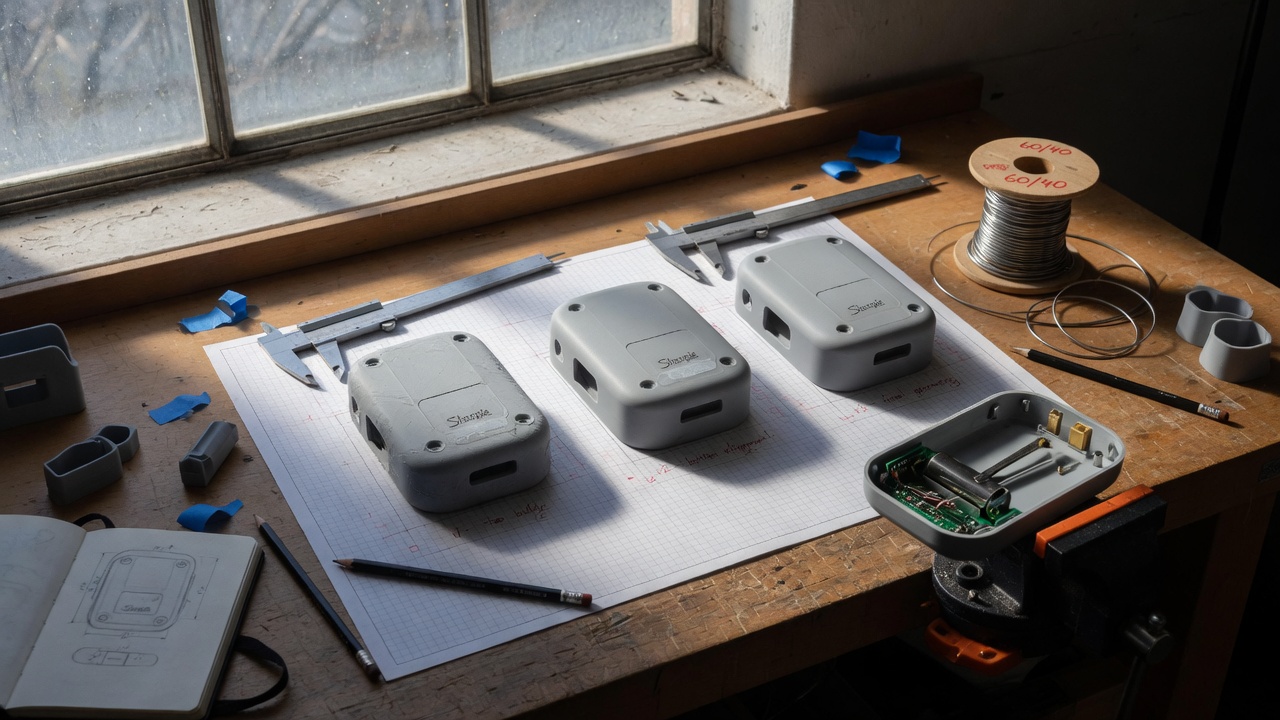
Kickstarter campaign videos in 2026: the 90-second structure that funds the project (and the cinematic founder story that drains the pledge page)
You spent three weeks on a beautiful origin film — your story, soft music, slow shots of your hands — and the pledge bar barely moved. The thing nobody tells a founder first: a crowdfunding video isn't your story, it's a 90-second sequence that dismantles a stranger's doubts in the order they arrive. Is it real (the product working in frame zero), is it for me (the problem named sharply), can they ship it (proof, and only now the person behind it), why now (the ask, and a real reason to pledge today). Lead with the emotional origin story and withhold the product, and you've made something lovely that drains the very attention it was meant to convert.

Etsy listing videos in 2026: the clip that lifts add-to-cart, the photo it must never replace, and the field that still decides the click
You added a video to your best listing because everyone said you should, and the dashboard barely moved. The thing nobody tells a maker first: an Etsy listing video does not get you found — it can't lift you in search and it won't win the click in the grid. It has one job: convert the shopper already standing in your listing, thumb hovering. The clip that does it shows the three things a photo can't — scale against a human reference, texture in moving light, the thing in use — while your tags, title, and thumbnail do the discovery work upstream. And the cinematic film that replaces your lead photo quietly costs you the click it was meant to win.

Customer testimonial videos in 2026: the three formats that earn trust (and the scripted brag reel that reads as fake)
A happy customer agreed to say something nice, so you scripted them superlatives, lit it like a commercial — and it converts nobody. A buyer in 2026 smells a manufactured endorsement in two seconds. The three testimonial formats that still earn trust: the specific-result story with one real number, the objection-killer clip that voices the doubt and resolves it, and the day-in-the-life proof that shows real use in a real life — and the conversion lift that picks which to make.

Repurposing video in 2026: the four cuts that travel from a single shoot (and the auto-chopped highlights that just flood the feed)
You recorded one good thing and the advice is to "repurpose" it into twenty posts — so you feed it to a clip-chopper, it spits out fifteen viral moments, and they all sink. The problem was never volume. A clip pulled out of context is an orphan, a sentence with no setup. The four cuts that actually travel from one recording in 2026: the hook clip that re-opens one idea to win the click, the teaching cut that delivers a whole lesson, the proof moment that shows a real result, and the native short re-tailored for each feed — and the watch-through that picks them.

Restaurant video marketing in 2026: the three clips that fill tables (and the cinematic food film that just feeds the algorithm)
A restaurant loses covers not because nobody saw it, but because the person scrolling at 6pm never felt hungry or sure enough to book. The glossy brand film collects saves and books nothing — it asks to be admired in a moment that needs appetite. The three clips that actually fill tables in 2026: the dish-in-motion clip that triggers the craving, the room-and-occasion video that sells the night out, and the behind-the-pass story that turns a first visit into a regular — and the number that tells you which is working.

Video marketing for local service businesses in 2026: the three videos that book jobs (and the TV-style commercial that wastes the budget)
A local service business doesn't have an awareness problem — when the boiler dies, the customer is already searching. It has a trust problem: three names in the same map pack, thirty seconds to choose. The slick commercial answers a question nobody asked. The three videos that actually win the job in 2026: the proof-of-work clip that shows the result, the what-to-expect answer that removes price-and-process friction, and the meet-the-owner video that wins the dead heat — and the metric that picks which to make.

Founder-led video on LinkedIn in 2026: the three formats that book sales calls (and the polished brand film that gets scrolled past)
The polished brand film collects compliments from your peers and books exactly zero sales calls — the feed is trained to scroll past anything that looks like an ad. The three founder-led formats that actually start qualified conversations in 2026: the lesson clip that earns authority with real scars, the contrarian take that finds and sorts your buyers, and the customer-problem story that turns intent into a reply. The one that wastes your budget, and the reply rate that picks your format.

Webinars in 2026: which three formats still convert, which one empties the room, and the show-up rate that decides it
The live 60-minute pitch webinar empties the room before the offer — people register for free and never show. The three formats that still convert in 2026: the on-demand micro-webinar that sells while you sleep, the live workshop that converts a higher ticket, and the multi-day challenge that sells a transformation. The one that wastes a month of promotion, and the show-up rate that picks your format.

Real estate listing videos in 2026: the three that book viewings (and the cinematic drone reel that doesn't)
The glossy drone reel wins the most likes and books the fewest viewings — it impresses an audience instead of informing a buyer. The three listing video formats that actually fill a solo agent's diary in 2026: the honest walkthrough that lets buyers self-qualify, the neighbourhood story that sells the life, and the vertical teaser that finds buyers off the portals. Where each belongs, and the one-shoot production loop that makes all three.

AI avatar videos in 2026: the three use cases that still convert (and the uncanny-valley spokesperson that kills the sale)
The synthetic brand spokesperson reads as fake before it speaks — and a viewer who notices doesn't tune out, they feel deceived. The three AI avatar use cases that still convert in 2026: the explainer presenter, the multilingual scale play, and the social variant engine. The one that torches trust, the avatar-or-real-footage decision, and the production loop a solo creator can run.

Product demo videos in 2026: the three formats that convert signups (and the feature tour nobody finishes)
The guided feature tour is the demo founders default to — and the one prospects abandon at 20 seconds. The three formats that actually convert in 2026: the hook clip that wins the click, the use-case demo that lets a prospect see their own work, and the proof loop that gets a new user to a first result. Where each belongs, and the production loop a solo founder can run.

Online courses in 2026: the three formats that still sell (and the one AI commoditized)
The day a free chatbot could answer every "how do I" question, the eight-hour information course stopped being worth $199 — but three formats got more valuable, not less. The cohort, the implementation course, and the hard-won-expertise course that still sell, the one AI killed, the pricing that holds, and the launch loop that fills the first cohort.

AI UGC ads in 2026: the three hooks brands still pay for (and the polished studio spot that stopped converting)
The glossy studio spot now reads as an ad before a word is spoken — and buyers swipe past it. The three UGC hook structures ecommerce brands still pay for in 2026, the AI-native stack that ships a dozen tested variants a day, the weekly sprint, the side-hustle economics, and the authenticity line you don't cross.

Kindle self-publishing in 2026: the three book categories that still sell (and the two AI flooded)
AI buried the generic guide and the blank journal — and sharpened the categories built on real expertise, story craft, and a disciplined launch. The three that still sell on Kindle, the two AI flooded into worthlessness, the royalty math, and the launch that earns genuine reviews.

How to grow a faceless Instagram account in 2026: the solo creator's path to 100k followers and real revenue
Faceless Instagram still carries a scammy reputation — which is exactly why the opening is wide. The Reels-first reason it works in 2026, the niches that grow and monetise, a six-hour weekly content engine, the realistic 0-to-100k path, and the four revenue layers that turn followers into income.

AI affiliate marketing in 2026: the solo creator's path to $5k/month
Everyone declared affiliate marketing dead the moment AI started writing review articles — they were half right. The lazy version died; the disciplined version is the best-margin side hustle a solo creator can run. The four engines that still convert, the AI-native stack, a 90-day build, and the commission math from $0 to $5k/month.

How to start a podcast in 2026: the solo creator's path to 10,000 monthly downloads
AI cut indie-podcast production from a full weekend per episode to about ninety minutes. The 2026 stack, a weekly workflow that holds, the realistic 0-to-10k download path, and the four monetisation routes that actually pay a solo show.

AI short-form video in 2026: how solo creators ship 60 clips a month (and which ones actually grow)
TikTok, Reels and Shorts now reward a different production loop than long-form. The 2026 AI stack, a weekly 60-clip workflow, hook structures that still work, the seven-day niche test, and the two monetisation paths that actually pay.

Programmatic SEO with AI in 2026: how solo founders rank for thousands of keywords
Programmatic SEO got fixable for solo founders — a clean dataset plus an AI pipeline now ships a 5,000-page site in a fortnight. The four archetypes that still rank in 2026, the realistic build stack, indexing rules, the revenue math at every milestone, and the four traps that quietly waste a quarter.

How to sell digital products in 2026: the solo creator's path to $5k/month
Digital products are the side-hustle that quietly went mainstream — templates, prompt packs, courses, and downloadable tools clearing $3,000–$15,000 a month for one-person shops. Which four categories actually pay, the AI-native stack, a 14-day launch loop, pricing that holds, and the revenue math from $500 to $10k/month.

How to build a micro-SaaS as a solo founder in 2026: the realistic path to $10k MRR
Micro-SaaS is the quietest gold rush of 2026 — one-person products doing $5k–$25k MRR with 85% margins. The four idea signals, the AI-native stack, week-long validation, pricing that holds, distribution that works, and the revenue math at every milestone.

How to build a newsletter business in 2026: the realistic 0-to-10,000 subscriber path
Paid newsletters are quietly the highest-margin solo business of 2026 — but only the ones that get the first thousand subscribers right. The twelve-month path, niche signals, AI as research engine (not writer), free-vs-paid timing, and the revenue math at every milestone.

How to monetise a faceless YouTube channel in 2026: seven revenue layers beyond AdSense
AdSense alone caps most faceless channels at $2–8 RPM. The seven revenue layers stacked on top, the sequence to add them, the realistic monthly mix, and the four mistakes that quietly flatten earnings.

Faceless YouTube niches that still work in 2026 (and the ones that quietly died)
AI flooded faceless YouTube — but a handful of niches kept printing revenue. Which six survived, which six collapsed, the four signals that separate them, and a five-point stress test to run before you commit to a niche.

How to start a one-person AI agency in 2026 (the realistic 90-day path)
A one-person AI agency now bills what a six-person shop billed in 2023. The five services that actually sell, the pricing that holds against undercutters, the 90-day client-acquisition path, and the four failure modes that quietly kill it.
AI business models in 2026: 6 solo paths compared (with revenue math)
Faceless YouTube vs. niche newsletter vs. digital products vs. one-person AI agency vs. micro-SaaS vs. done-for-you content. Realistic 12-month revenue ceilings, time-to-first-dollar, weekly hours, and the hardest-part trap for each.

How to replace a marketing agency with AI in 2026 (and what to keep human)
AI now does what mid-tier marketing agencies charge $3,000–10,000 a month for. Where it matches, where it still falls short, the realistic monthly budget, and the hybrid week that lets one operator run their own marketing function without losing quality.
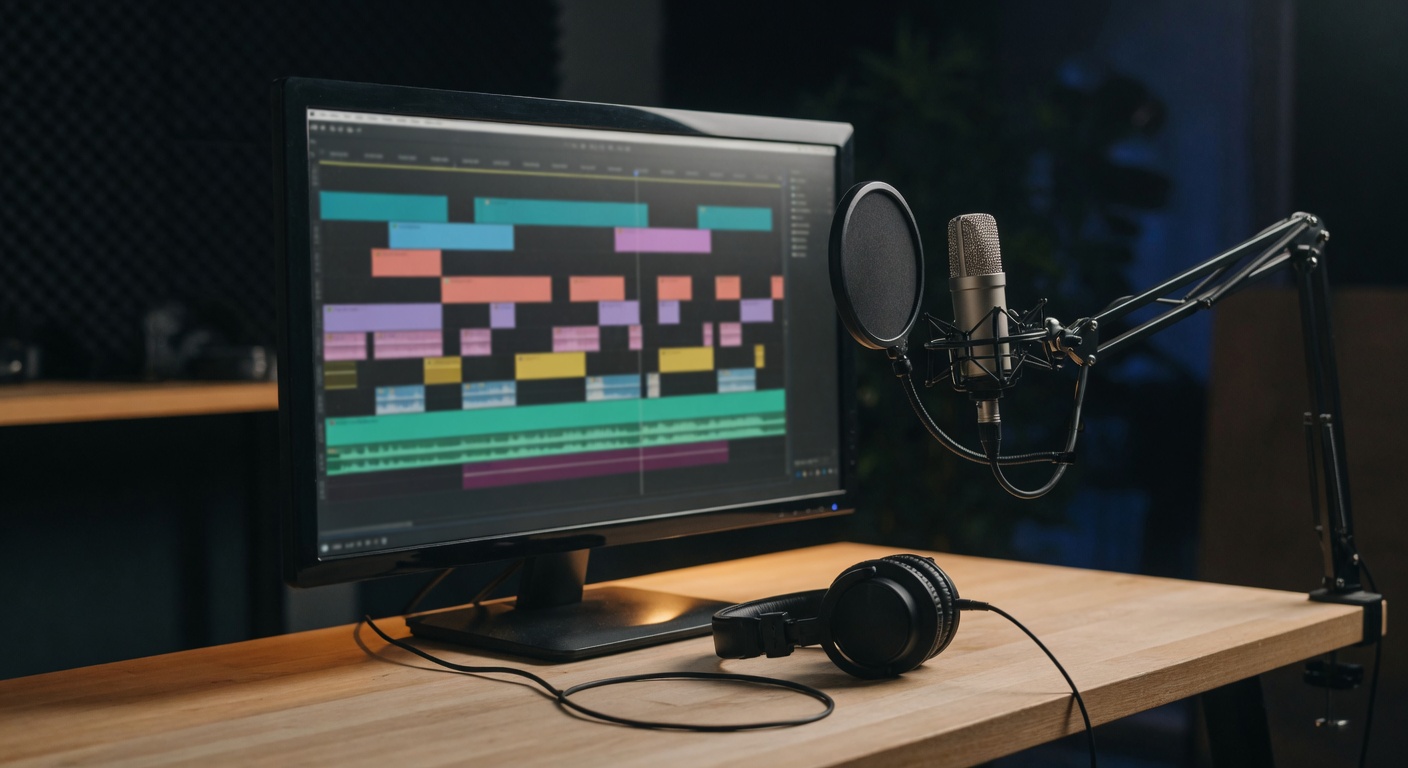
AI video production in 2026: how solo creators ship 30 videos a month
AI cut faceless video production from eight days to two-and-a-half hours per video. The real cost breakdown, the weekly sprint workflow that takes advantage of it, where AI still falls short, and what the new unit economics actually mean for solo creators.

How to validate a faceless YouTube niche in an afternoon
A practical four-hour workflow that filters thousands of plausible-looking niches down to one that's actually worth a year of your time — using only free tools and four hard signals.

The quiet boom: why faceless content channels are becoming real businesses
Faceless YouTube channels, niche newsletters and AI-narrated long-form video are quietly turning into seven-figure businesses. Where the money actually comes from, how AI changed the math, and where this is going.
Create your first Business Blueprint in three minutes.
Sign-up is 30 seconds. Your account opens with 30 free credits — enough to run a niche search and preview a Blueprint before you top up.
Credits never expire. No subscription. 30 free on registration.